The Ultimate Guide to Meal Planning When You Have Zero Inspiration
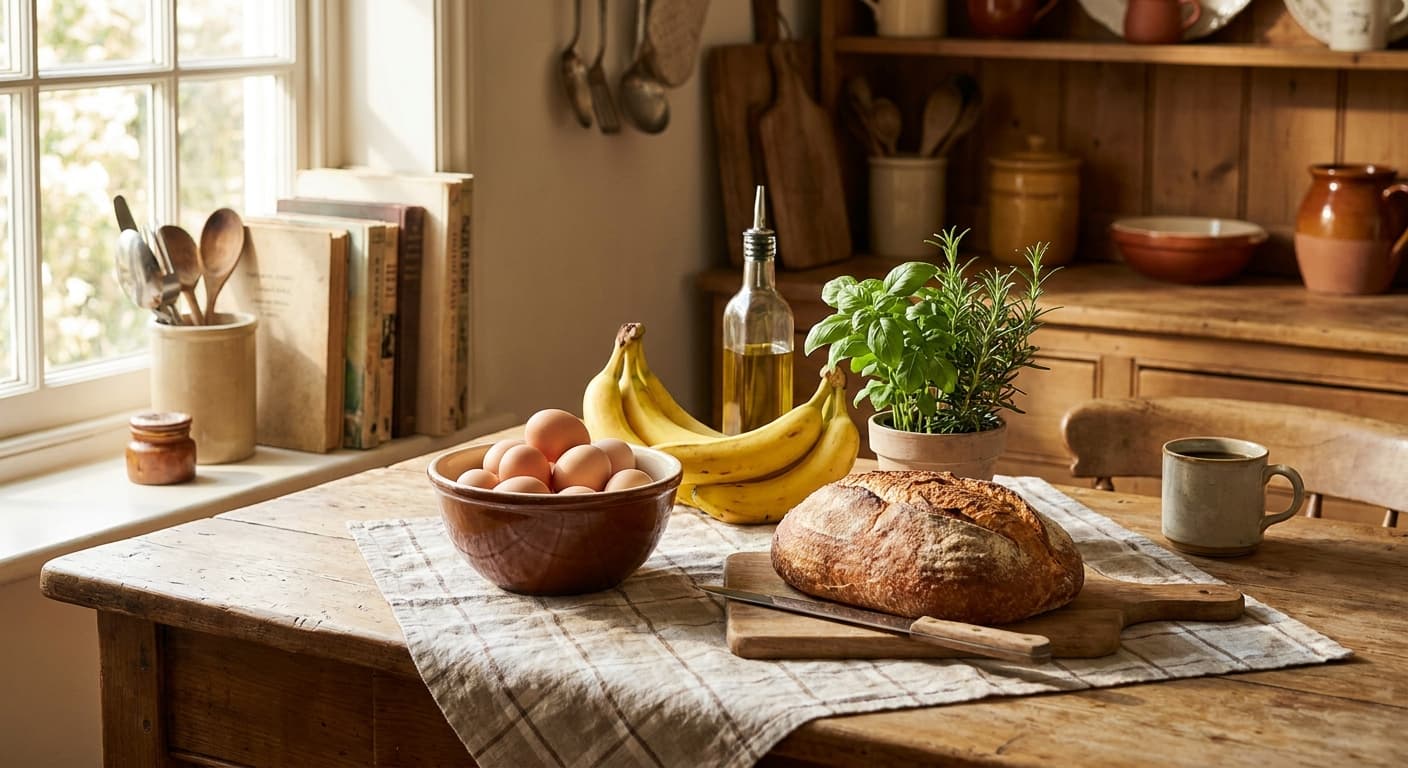
The Ultimate Guide to Meal Planning When You Have Zero Inspiration
We've all been there. You open the fridge, stare into its cold, unforgiving glow, and feel absolutely nothing. No cravings, no ideas, no spark. The thought of planning a week's worth of meals feels like climbing a mountain in flip-flops.
Take a breath. You're not broken, and you're definitely not alone. Every home cook hits this wall. The good news? There are real, practical ways to push through it — and some of them might even surprise you.
First, Understand Why You're Stuck
Before you can fix the problem, it helps to name it. Meal planning burnout usually comes from one (or more) of these culprits:
- Decision fatigue — You've been making too many small choices all day, and dinner is one ask too many.
- Repetition overload — You've cycled through your go-to recipes so many times that nothing sounds good anymore.
- Perfectionism — You feel like every meal should be exciting, photogenic, or at least Pinterest-worthy.
- Life chaos — Work, kids, errands — sometimes you just don't have the bandwidth.
Identifying which one resonates with you is half the beat. Once you know the root, you can pick the right strategy.
Strategy #1: The "Three-Theme" Method
When you can't decide on specific recipes, decide on categories instead. Assign a loose theme to each night of the week:
- Monday — Pasta night
- Tuesday — Taco / bowl night
- Wednesday — Sheet pan dinner
- Thursday — Breakfast for dinner
- Friday — Takeout or frozen pizza
You don't need to nail down exact dishes yet. Just having a container to think inside of dramatically reduces the mental load. On Monday morning, you'll find that choosing between three pasta dishes is way easier than choosing from infinite possibilities.
Strategy #2: Let Your Pantry Lead
Instead of starting with a recipe and then shopping, flip the script. Open your pantry, pull out three or four items, and build a meal around them.
- Canned chickpeas + tahini + lemon → quick hummus plate with pita and veggies
- Rice + coconut milk + frozen curry paste → one-pot coconut curry
- Pasta + olive oil + garlic + chili flakes → aglio e olio in 15 minutes
This approach saves money, reduces food waste, and takes the pressure off because you're working with what you already have.
Strategy #3: The Recipe "Speed Round"
Set a timer for ten minutes. Open a cookbook or your favorite recipe site and flip through as fast as you can. Don't overthink — just mark anything that makes you pause, even for a second. When the timer goes off, look at what you flagged. There's usually a pattern: maybe you kept stopping on soups, or on dishes with roasted vegetables.
That pattern is your intuition talking. Trust it. Pick two or three flagged recipes and slot them into your week.
Strategy #4: Borrow Someone Else's Plan
There is zero shame in using someone else's meal plan. In fact, it's one of the smartest shortcuts in home cooking. Grab a pre-made plan from a site like MealPlanVault, swap plans with a friend, or even ask your family to each pick one dinner for the week.
You don't have to reinvent the wheel every single week. Consistency matters more than originality.
Strategy #5: Embrace the "Good Enough" Meal
Not every dinner needs to be an event. Some of the most nourishing, satisfying meals are the simplest:
- Grilled cheese and tomato soup
- Scrambled eggs with toast and avocado
- A big green salad topped with canned tuna and whatever vegetables are in the crisper
- Quesadillas with beans and cheese
Give yourself permission to serve these without guilt. They count. They're real meals. And they keep you from ordering expensive takeout out of sheer desperation.
Build a "No-Brainer" Backup List
Here's a tip that pays dividends for years: keep a running list on your phone of meals you've made and enjoyed that require almost no mental energy. Think of it as your personal safety net.
Every time you cook something simple and satisfying, add it to the list. Over time, you'll build a custom menu of reliable options that you can pull from whenever inspiration goes missing.
The Bigger Picture
Meal planning isn't about being perfect. It's about feeding yourself and the people you care about in a way that feels sustainable. Some weeks you'll have a color-coded spreadsheet with prep schedules and leftover repurposing charts. Other weeks you'll serve cereal for dinner and call it a win.
Both are valid. Both are part of the rhythm of real life.
So the next time you open that fridge and feel nothing, don't panic. Pick one strategy from this list, start small, and remember: the goal isn't a perfect meal plan. It's just a plan. You've got this.
Enjoyed this post?
Get weekly meal planning tips delivered to your inbox.
Comments
Related Posts
View All
Budget-Friendly Batch Cooking: How to Feed a Family of Four for Under $50 a Week
Feed your family for under $50/week with smart batch cooking. Cost-per-serving breakdowns, pantry staples, and real strategies.
The 'Decision-Free' Dinner Matrix: Generate 32 Meals from Your Pantry
Beat dinner decision fatigue! Learn the simple 4-ingredient, 5-step system that turns your pantry staples into 32 delicious meals. No extra shopping required.

Meal Prep Made Simple: Practical Tips for Busy Weeknights
Quick, stress‑free meal prep tricks to turn busy weeknights into effortless, tasty dinners.