Apo(b)/Cholesterol Lowering Greek Protein Meze Power Bowl

Apo(b)/Cholesterol Lowering Greek Protein Meze Power Bowl
If you’ve been scrolling through nutrition forums or the latest health‑focused threads on Reddit, you’ve probably seen the buzz around Apo(b) and its link to cardiovascular risk. The good news? You don’t need a prescription or a lab test to start fighting it—just a well‑crafted, Mediterranean‑style bowl that’s as delicious as it is functional.
In this post, I’ll walk you through a Greek‑inspired protein meze power bowl designed specifically to help improve Apo(b) profiles and keep cholesterol in check. We’ll cover ingredient selection, batch‑prep strategies, and creative serving ideas so you can make this wholesome dish a regular part of your meal‑planning routine.
Why Apo(b) Matters and How Diet Can Influence It
- Apo(b) (Apolipoprotein B) is a protein that carries cholesterol in the form of LDL particles. Elevated Apo(b) levels are associated with a higher risk of atherosclerosis.
- While genetics play a role, dietary choices—especially those that lower saturated fat, refined carbs, and excess sugars—can significantly impact circulating Apo(b).
- The Mediterranean diet, rich in olive oil, legumes, leafy greens, and omega‑3‑rich fish, has repeatedly shown improvements in lipid panels, including lower Apo(b).
Our power bowl is built around these principles, delivering a balanced mix of fiber, healthy fats, plant‑based protein, and antioxidant‑packed veggies—all while staying budget‑friendly and easy to prep.
Core Ingredients & Their Health Benefits
| Ingredient | Reason for Inclusion | Key Nutrients |
|---|---|---|
| Wild‑caught Greek sardines or anchovies (or grilled tempeh for a plant‑only version) | Rich in omega‑3 fatty acids that reduce triglyceride levels and can modestly lower Apo(b) | EPA/DHA, protein, calcium |
| Kalamata olives | Source of monounsaturated fats and polyphenols that support heart health | |
| Extra‑virgin olive oil | Primary fat in the Mediterranean diet; improves lipid profile | |
| Cooked lentils or chickpeas | Soluble fiber helps bind bile acids and lower cholesterol | |
| Fresh cucumber, cherry tomatoes, red onion | Provide antioxidants and fiber without excess calories | |
| Feta cheese (optional, modest amount) | Adds calcium and flavor; keep portion small to limit sodium | |
| Herbs: oregano, dill, mint | Anti‑inflammatory compounds; enhance flavor without extra salt | |
| Lemon zest & juice | Vitamin C aids iron absorption and adds a bright note |
Selecting the Best Protein
- If you eat fish, go for sardines or anchovies—small, sustainably caught, and naturally high in omega‑3s.
- If you prefer plant‑based, marinated tempeh or roasted chickpeas give a similar protein punch while staying low‑glycemic.
Building the Bowl: Step‑by‑Step
1. Batch‑Cook the Base
- Legumes: Cook a large pot of lentils (or use canned, low‑sodium varieties). Season lightly with bay leaf and a pinch of sea salt. Drain and let cool.
- Grains (optional): If you want a grain component, prepare a batch of farro or bulgur; keep to a modest ¼ cup per serving to limit carbs.
2. Prepare the Protein
- Fish: Pat dry sardines, drizzle with olive oil, sprinkle with sea salt and pepper, then grill or bake at 375°F for 12‑15 minutes.
- Tempeh: Slice into ½‑inch strips, marinate in a mixture of lemon juice, minced garlic, oregano, and a splash of olive oil, then pan‑sear until golden.
3. Assemble Fresh Veggies
- Chop cucumber, halve cherry tomatoes, thinly slice red onion. Toss lightly with a pinch of salt and a drizzle of olive oil—this softens the onion and brings out sweetness.
4. Make the Dressing
- Whisk together 3 Tbsp extra‑virgin olive oil, 1 Tbsp lemon juice, ½ tsp Dijon mustard, ½ tsp honey or agave, ¼ tsp grated ginger, and fresh herbs. Adjust acidity to taste.
5. Portion & Store
- Divide cooked legumes, grain (if using), and protein into airtight containers. Add raw veggies on the side to keep them crisp. Store dressing separately and add just before eating.
Serving Ideas & Creative Twists
- Bowl‑in‑a‑Jar: Layer dressing at the bottom, then protein, legumes, veggies, and finish with olives and feta on top. Shake when ready.
- Warm Bowl: Re‑heat the legumes and protein, then pour hot dressing over a bed of fresh greens for a comforting winter version.
- Salad Upgrade: Toss the entire bowl contents with arugula for added peppery flavor.
- Snack‑Size: Use half the portion as a high‑protein snack paired with a small piece of whole‑grain pita.
Batch‑Prep Schedule (2‑Week Plan)
| Day | Task |
|---|---|
| Sunday | Cook lentils, roast a tray of chickpeas, grill sardines or bake tempeh, chop veggies, portion dressing. |
| Monday‑Wednesday | Assemble bowls for lunch; keep dressing separate. |
| Thursday | Refresh veggies (add fresh cucumber slices) and switch protein if desired. |
| Friday | Use leftover components in a wrap or as a topping for a Greek salad. |
| Weekend | Experiment with toppings: avocado slices, roasted red peppers, or a sprinkle of toasted pumpkin seeds. |
By dedicating just 1–2 hours on Sunday, you’ll have everything ready for four to five nutritious meals, keeping Apo(b) goals on track without daily kitchen stress.
Tips to Maximize Apo(b) Benefits
- Limit Saturated Fat – Stick to olive oil as your primary fat; avoid butter or cream‑based sauces.
- Watch Sodium – Choose low‑sodium canned legumes and rinse olives before using.
- Increase Fiber – Aim for at least 6 g of soluble fiber per bowl; lentils, chickpeas, and berries are great sources.
- Stay Consistent – Regular consumption of omega‑3‑rich foods and soluble fiber has cumulative effects on lipid metabolism.
- Hydrate – Adequate water helps fiber do its job in binding cholesterol.
Quick FAQ
Q: Can I replace sardines with chicken? A: Yes, but choose skinless, grilled chicken breast and keep portions modest to avoid excess saturated fat.
Q: Is feta cheese necessary? A: Not at all. It adds flavor and calcium, but you can omit it or use a reduced‑fat version for a lighter bowl.
Q: How long can I store the components? A: Cooked legumes and proteins keep 4‑5 days in the fridge; veggies stay crisp for up to 3 days if stored in a separate container with a damp paper towel.
Final Thoughts
The Greek Protein Meze Power Bowl isn’t just another trendy recipe—it’s a strategic, heart‑healthy meal designed to target Apo(b) and promote healthier cholesterol levels. By focusing on Mediterranean staples, lean protein, soluble fiber, and heart‑friendly fats, you can enjoy flavorful, satisfying meals while supporting long‑term cardiovascular wellness.
Give this bowl a try this week, tweak the toppings to suit your palate, and watch how a simple shift in your meal‑planning routine can make a measurable difference in your lipid profile. Your heart (and taste buds) will thank you!
Ready to start? Grab a jar, line up those ingredients, and let the Greek‑inspired goodness begin!
Enjoyed this post?
Get weekly meal planning tips delivered to your inbox.
Comments
Related Posts
View All
Protein Power: A Practical Guide to High‑Protein Meal Prep
Step‑by‑step guide to calculate protein targets, batch‑cook staples, and pack balanced meals for the week.
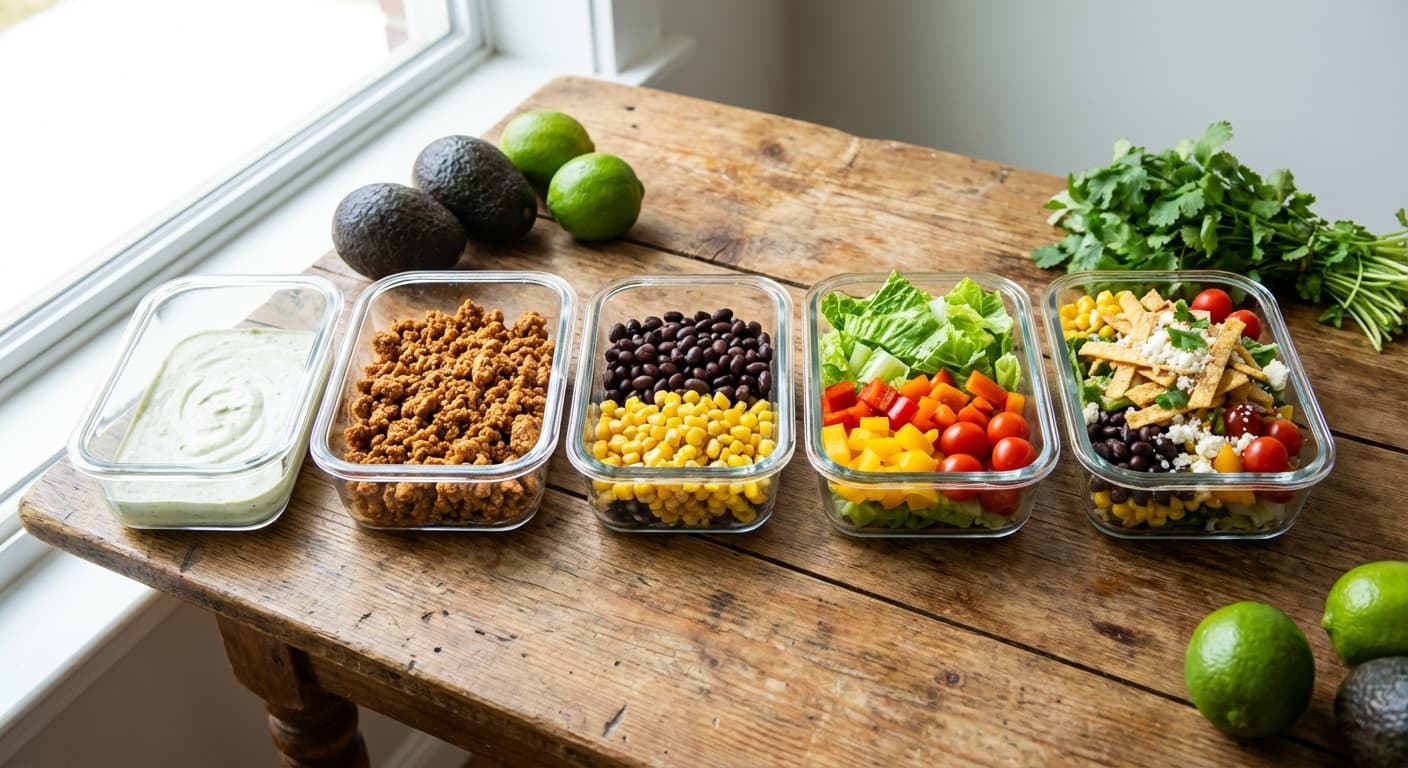
The Ultimate High-Protein Taco Salad Bowl System: 5 Days of Grab-and-Go Lunches
Build a modular, high-protein taco salad bowl system for 5 days of grab-and-go lunches. Featuring a lean protein base, crunchy elements, and a creamy lime dressing—all for under $4 per serving.
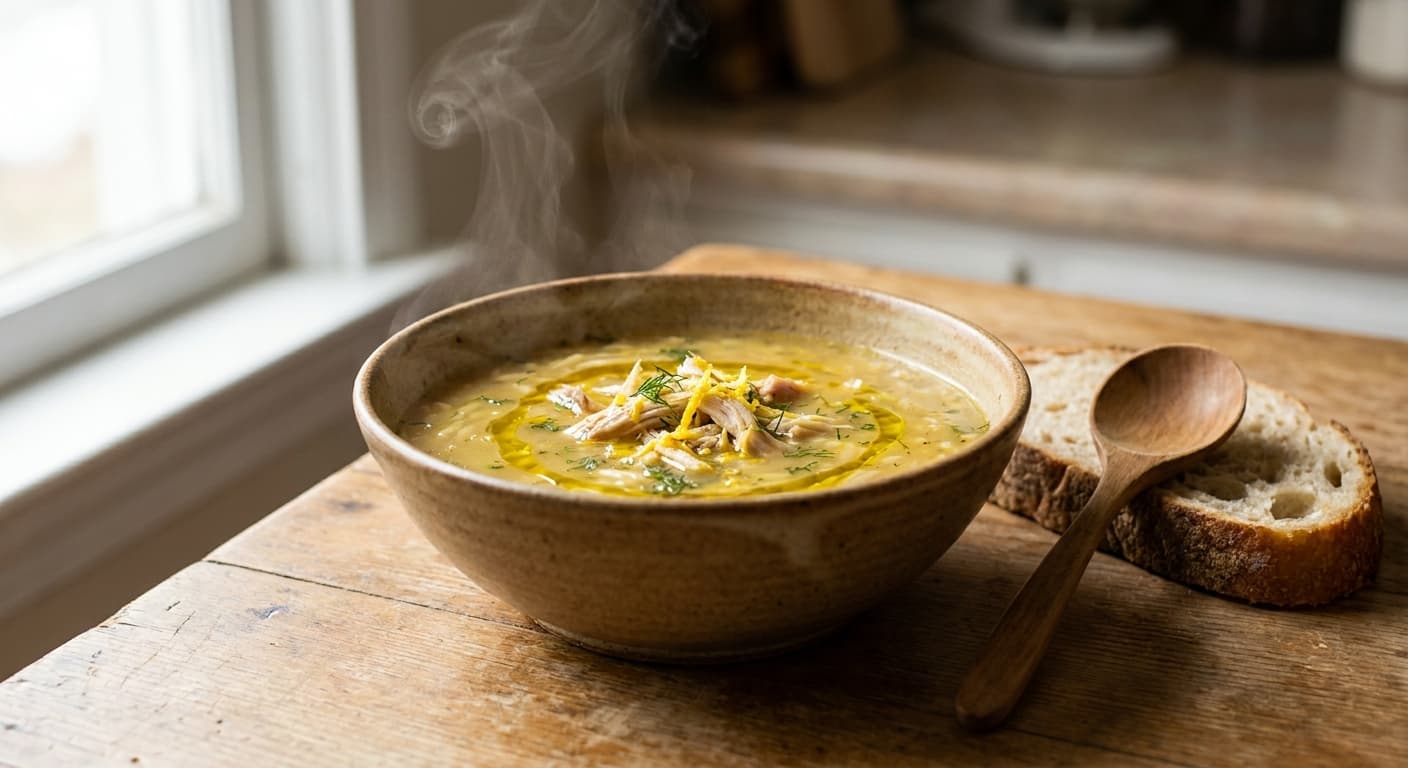
Batch‑Cook Greek Chicken Soup: Freezer‑Friendly Comfort in Every Bowl
Learn how to make a big pot of Greek chicken soup, swap ingredients, freeze it, and reheat for quick, satisfying weeknight meals.