Cooking Before Freezing: When to Cook First and When to Freeze Raw
Cooking Before Freezing: When to Cook First and When to Freeze Raw
Batch cooking is a lifesaver for busy weeks, but the decision of whether to cook a dish before freezing or to freeze the raw ingredients can dramatically affect flavor, texture, and safety. Below is a comprehensive guide that walks you through food‑science basics, safety rules, texture considerations, reheating tips, and practical best‑practices so you can stock your freezer with confidence.
1. Food Safety Foundations
Why temperature matters
The danger zone (40 °F–140 °F / 4 °C–60 °C) is where bacteria multiply fastest. Anything that lingers in this range for more than two hours (one hour if the ambient temperature is above 90 °F/32 °C) becomes risky.
Rapid cooling is the key: after cooking, bring the food down to 40 °F (4 °C) or below within two hours before packaging for the freezer.
Freezing itself halts bacterial growth but does not kill existing pathogens. If you freeze food that’s already contaminated, you’ll still have those microbes when you thaw.
Safe handling checklist
Cool quickly – spread hot food in a shallow pan, stir occasionally, or use an ice‑water bath.
Portion before freezing – smaller volumes freeze and thaw faster, reducing time in the danger zone.
Label with date and contents – use a freezer‑safe marker; aim to use most cooked items within 2–3 months for best quality.
Avoid cross‑contamination – keep raw meats separate from ready‑to‑eat foods during prep and storage.
2. How Freezing Affects Texture
Foods that benefit from being cooked first
Food Type
Reason to Cook Before Freezing
Typical Dishes
Starch‑based (pasta, rice, potatoes)
Cooking gelatinizes starch; freezing raw starch can lead to a gummy or mushy texture after thaw.
Casseroles, soups, stews, baked pasta
Dairy‑rich (cream, cheese sauces)
Heat stabilizes proteins; freezing raw dairy can cause separation or graininess.
Pre‑cooking removes excess water, preventing ice crystals that rupture cell walls and make veggies soggy.
Ratatouille, veggie lasagna, stuffed peppers
Proteins with connective tissue (braised meats, stews)
Low‑and‑slow cooking breaks down collagen; freezing raw meat then cooking later can result in tougher, unevenly cooked pieces.
Beef bourguignon, chili, pulled pork
Foods that often fare better frozen raw
Food Type
Reason to Freeze Raw
Typical Uses
Raw meats & poultry (chicken breasts, steak, ground beef)
Freezing preserves the fresh texture; cooking from frozen or after thaw yields a juicier result than overcooked, reheated meat.
Stir‑fry, grilled, baked dishes
Seafood (fish fillets, shrimp)
Delicate proteins can become rubbery if cooked, frozen, then reheated.
Quick‑pan sear, baked, tacos
Most fruits (berries, mango, peach)
Freezing raw locks in natural sweetness and firmness; cooked fruit can turn to mush.
Smoothies, baked goods, compotes
Herbs & aromatics (garlic, ginger, chilies)
Freezing raw preserves volatile oils; cooking first can drive off flavor.
Sauces, marinades, soups
Vegetables for roasting (broccoli, cauliflower, carrots)
Blanching (quick boil then ice shock) before freezing preserves crisp‑tender texture; raw freezing can lead to limp results after roasting.
3. Reheating Tips for Optimal Quality
From frozen, cooked meals
Microwave: Use a microwave‑safe cover, stir halfway, and heat in 1‑minute bursts until internal temperature reaches 165 °F (74 °C).
Stovetop: Add a splash of broth, water, or sauce to prevent drying; heat over medium‑low, stirring frequently.
Oven: Ideal for casseroles and baked dishes; cover with foil to retain moisture, uncover for the last 10‑15 minutes to crisp the top.
Steam: Works well for rice, dumplings, and vegetables; place in a steamer basket over simmering water.
From frozen raw ingredients
Thaw first (recommended for most proteins): Transfer to the refrigerator overnight or use the defrost setting on a microwave, then cook as usual.
Cook from frozen (suitable for thin cuts, shrimp, or ground meat): Increase cooking time by ~50 % and ensure the interior reaches safe temperature.
Season after thawing: Salt and spices can draw out moisture during freezing; add them later for better flavor penetration.
4. Best Practices for Batch Cooking & Freezing
1. Choose the right container
Rigid, BPA‑free plastic or glass with airtight lids prevents freezer burn.
Heavy‑duty freezer bags: Lay flat to freeze, then stack like books for space‑saving.
Portion size: Aim for 1‑2 cup servings for soups/stews; 4‑6 oz for proteins.
2. Cool & package efficiently
Ice‑bath method: Place the hot pot in a sink filled with ice water, stirring until the temperature drops below 70 °F (21 °C), then transfer to the fridge to finish cooling.
Leave headspace: Liquids expand ~9 % when frozen; leave ~½‑inch space at the top of containers.
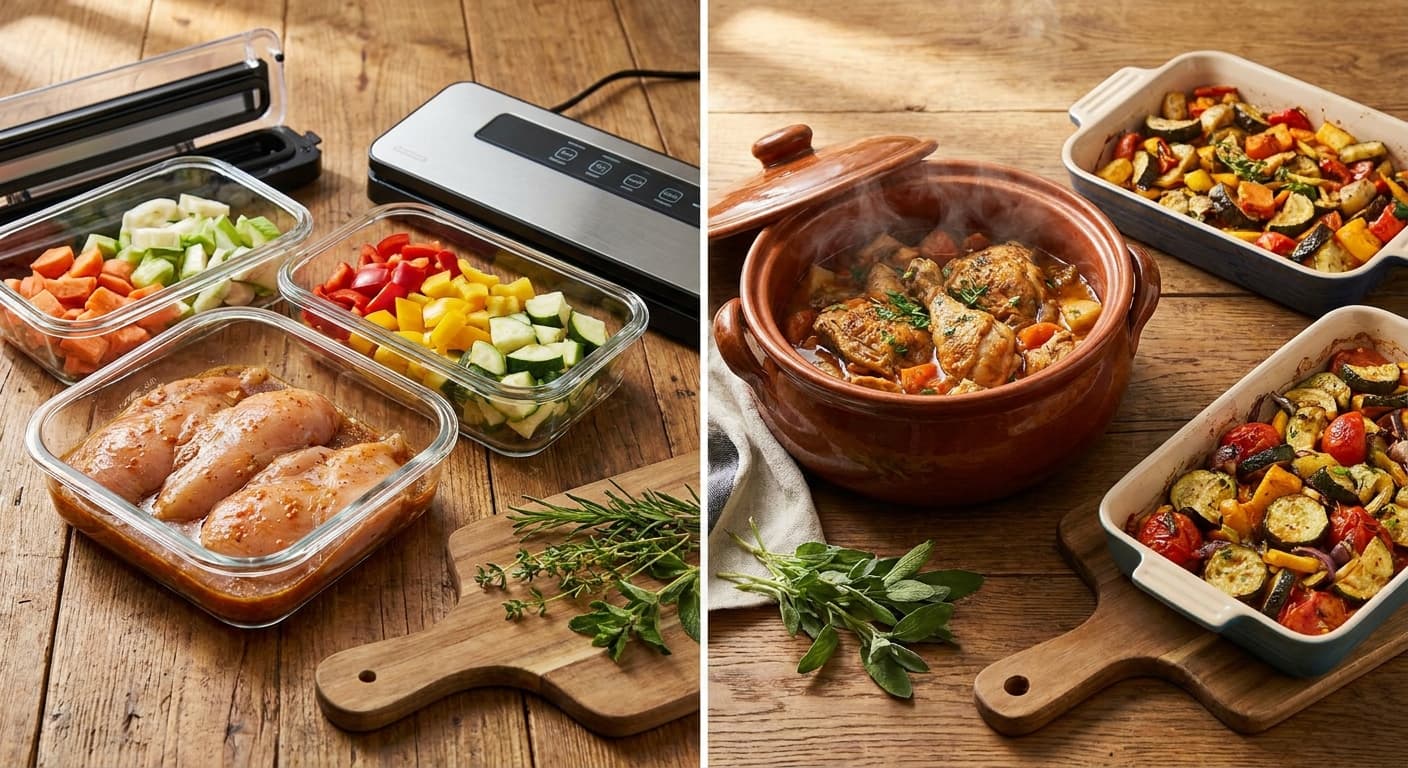
Remove excess air: Squeeze out air from bags or use a vacuum sealer to minimize freezer burn.
3. Freeze quickly
Set your freezer to 0 °F (‑18 °C) or lower.
Place items in the coldest part (usually the back or bottom) and avoid overcrowding; allow air to circulate.
4. Thaw safely
Refrigerator thaw: Slowest but safest; plan ahead.
Cold‑water thaw: Seal the bag, submerge in cold water, change water every 30 minutes.
Microwave thaw: Use the defrost setting; cook immediately after.
5. Reheat to safe temperature
Use a food thermometer; 165 °F (74 °C) is the safe internal temperature for reheated leftovers and poultry.
For beef, pork, lamb, and veal (whole cuts) aim for 145 °F (63 °C) with a three‑minute rest; ground meats still need 160 °F (71 °C).
5. Quick Decision Guide
Situation
Cook First?
Freeze Raw?
Why
Hearty stew, chili, or soup
✅
❌
Starches and beans hold up better; flavors meld during cooking.
Marinated chicken thighs for stir‑fry
❌
✅
Keeps meat juicy; quick high‑heat cooking after thaw preserves texture.
Lasagna or baked ziti
✅
❌
Pasta and sauce need pre‑cooking to avoid gummy noodles.
Fresh berries for smoothies
❌
✅
Freezing raw preserves burst of flavor and prevents mush.
Blanched broccoli for roasting
❌ (blanch then freeze)
✅ (after blanch)
Blanching locks in color and crispness; raw freeze leads to soggy results.
Meatballs with breadcrumbs & egg
✅
❌
Cooking sets the binder; freezing raw can cause crumbly texture after thaw.
Homemade pizza dough
❌
✅
Freezing raw dough preserves yeast activity; bake from frozen for fresh crust.
6. Sample Batch‑Cooking Workflow
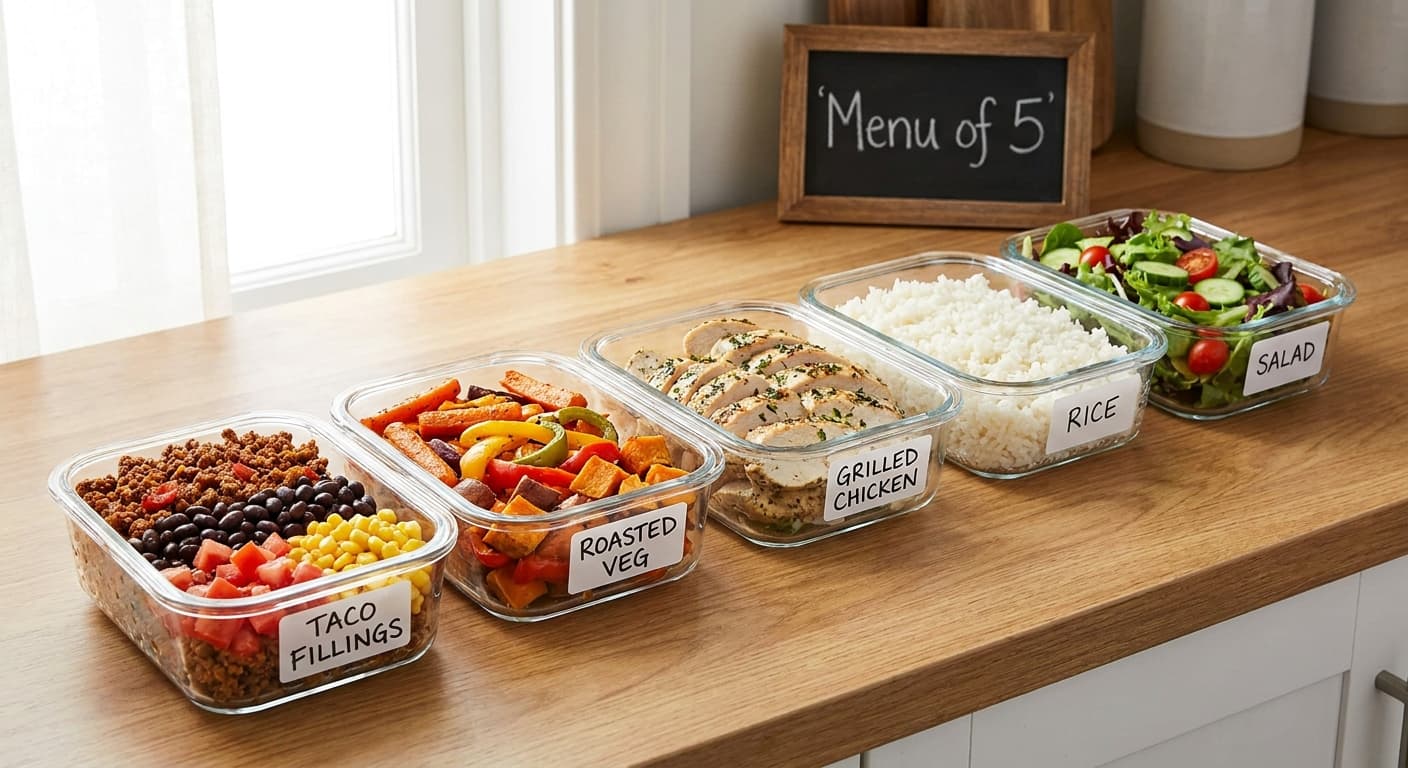
Plan your menu (e.g., Sunday: turkey chili, Wednesday: lemon‑herb chicken thighs, Saturday: veggie lasagna).
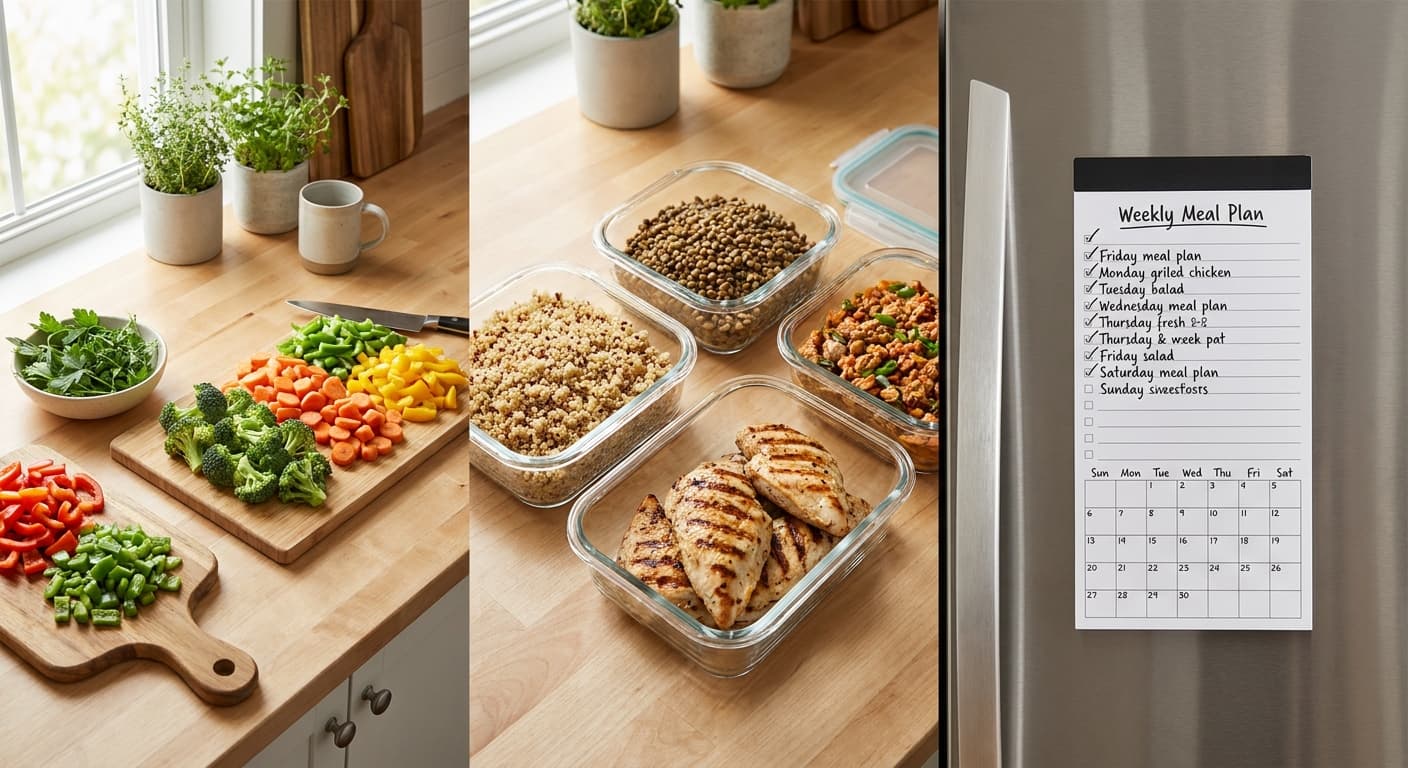
Prep ingredients – chop vegetables, portion meats, measure spices.
Cook the dishes that benefit from pre‑cooking (chili, lasagna). Cool rapidly using ice‑bath, then portion.
Marinate raw proteins (chicken thighs) and freeze flat in bags.
Label everything with dish name, date, and any reheating instructions.
Store: place cooked meals on a shelf; lay raw meat bags flat in the freezer door for quick access.
Reheat as needed: chili straight from frozen in a saucepan; chicken thighs thawed overnight, then pan‑seared.
7. Common Myths Busted
"Freezing kills all bacteria." False – it only puts them on hold. Proper cooking before eating is still essential.
"You can’t freeze food with cream or cheese." You can, but expect possible separation; stir well while reheating or add a splash of milk to re‑emulsify.
"Frozen vegetables are nutritionally inferior." Actually, flash‑freezing locks in nutrients; they’re often as good as fresh when handled correctly.
"Thawing on the counter is safe if it’s only a couple of hours." Not recommended; the outer layers can enter the danger zone while the interior is still frozen.
8. Final Thoughts
Deciding whether to cook before freezing hinges on three pillars: safety, texture, and convenience. Use the safety rules as your baseline, then let the food’s composition guide you. Starch‑heavy, dairy‑rich, and long‑cooked dishes usually shine when cooked first, while delicate proteins, most fruits, and vegetables meant for quick‑cook methods retain their best qualities when frozen raw.
By mastering these principles, you’ll turn your freezer into a well‑organized pantry of ready‑to‑eat, flavorful meals that save time, reduce waste, and keep your dinner table exciting—even on the busiest days. Happy freezing!
Feel free to share your own freezer‑hacks in the comments below!" ,"tags":["meal prep","freezing","food safety","batch cooking","cooking tips"],"confidenceScore":9,"imagePrompt":"A bright kitchen counter split into two sections: left side shows a steaming, golden‑brown lasagna in a glass baking dish ready to be wrapped for freezing; right side displays raw chicken breasts, colorful bell peppers, and broccoli florets arranged on a cutting board. Soft, natural window light streams from the left, casting gentle shadows and highlighting the textures. The mood is warm and inviting, with a shallow depth of field that focuses on the food, suitable for a blog hero image."}
Enjoyed this post?
Get weekly meal planning tips delivered to your inbox.