The Ultimate Meal Prep Rulebook: 5 Non‑Negotiable Tips from the Pros

The Ultimate Meal Prep Rulebook
Meal prepping can feel like a puzzle, but the best‑prepared folks on Reddit keep telling us the same secret: there are a handful of non‑negotiable rules that turn chaos into calm. I dug through r/MealPrepSunday, r/Cooking, and a few niche cooking forums to pull together the community’s top wisdom. Below you’ll find five iron‑clad rules, each paired with the most common mistakes that trip up even seasoned preppers. Think of this as your personal rulebook – one you can reference whenever you lace up the apron.
Rule #1: Build Your Plate Around Versatile Ingredients
Why it matters When you stock a pantry of adaptable foods—think grains, roasted veggies, proteins that can be reheated or eaten cold—you can mix‑and‑match meals without starting from scratch. This not only saves money but also keeps your menu fresh.
What to do
- Choose a base (brown rice, quinoa, or couscous) that stores well.
- Roast a tray of mixed vegetables that can be tossed into salads, grain bowls, or soups.
- Cook a protein in bulk (chicken, tofu, or hard‑boiled eggs) that can be sliced, shredded, or diced.
Common mistake Mistake: Buying specialized, single‑use items like pre‑marinated salmon that only works in one recipe. Result: You end up with excess ingredients you can’t repurpose, leading to waste and extra grocery trips.
Rule #2: Plan Portions Before You Cook
Why it matters Portion control is the unsung hero of successful meal prep. Over‑portioning leads to wasted food; under‑portioning leaves you hungry and reaching for that midnight snack.
What to do
- Use a kitchen scale or measuring cups to portion out each component.
- For a family of four, aim for 1‑1½ cups of cooked grain, 2‑3 ounces of protein, and 1‑2 cups of veggies per serving.
- Write down the servings per container on a sticky note for quick reference.
Common mistake Mistake: Packing everything into one giant container. Result: You can’t adjust portion sizes later, and you may end up throwing away half‑eaten meals.
Rule #3: Invest in the Right Storage Solutions
Why it matters Air‑tight containers, stackable bins, and freezer‑safe bags are the backbone of a smooth prep routine. The wrong container can cause soggy veggies, leaks, or freezer burn.
What to do
- Choose BPA‑free, microwave‑safe containers with separate compartments.
- Label each container with the date and meal name using a dry‑erase marker.
- Keep a set of freezer‑safe bags for soups or sauces; squeeze out excess air before sealing.
Common mistake Mistake: Reusing plastic take‑out containers for long‑term storage. Result: They’re not truly airtight, leading to flavor loss and quicker spoilage.
Rule #4: Batch Cook, Then Customize
Why it matters Batch cooking saves time, but the final dish should feel personalized. Think of batch‑cooked components as building blocks rather than finished meals.
What to do
- Prepare a large batch of a versatile sauce (e.g., garlic‑herb vinaigrette) that can be drizzled over different dishes.
- Pre‑portion toppings like nuts, seeds, or fresh herbs so you can finish each bowl to taste.
- Reserve a few “surprise” ingredients (like a hot sauce or a cheese crumble) to add at the last minute.
Common mistake Mistake: Forgetting to set aside customization elements. Result: Your meals become monotonous, and you lose the excitement that keeps prepping enjoyable.
Rule #5: Keep It Simple With a Core Menu
Why it matters A rotating menu of five to seven core meals strikes the perfect balance between variety and ease. Too many options overwhelm; too few make prep feel boring.
What to do
- Draft a weekly menu featuring breakfasts, lunches, and dinners that share common ingredients.
- Reserve one night for a “flex” meal where you improvise with leftovers.
- Use a printable planner or a digital app to track what you’ve cooked and when it needs to be eaten.
Common mistake Mistake: Over‑complicating recipes with obscure techniques. Result: You spend more time cooking than actually eating, defeating the purpose of prepping.
Putting It All Together – A Quick Starter Kit
If you’re ready to implement the rulebook, here’s a simple three‑day starter plan that hits every rule:
- Day 1: Cook a big pot of quinoa, roast a tray of broccoli and sweet potatoes, and grill chicken breasts. Portion into three containers (grain, veg, protein) and add a small jar of lemon‑tahini sauce for customization.
- Day 2: Assemble a grain bowl with quinoa, roasted veggies, and chicken. Sprinkle with toasted pumpkin seeds and drizzle the sauce. For dinner, toss leftover chicken into a quick stir‑fry with fresh greens.
- Day 3: Use any remaining quinoa for a chilled salad, add a boiled egg for protein, and top with avocado. Store any extra veggies in a separate container to keep them crisp.
Final Thoughts
Meal prepping isn’t a one‑size‑fits‑all science; it’s a flexible system you can tailor to your schedule, taste buds, and kitchen space. By anchoring your routine in these five community‑tested rules—versatile ingredients, portion planning, proper storage, batch customization, and a simple core menu—you’ll sidestep the most frequent pitfalls and enjoy meals that are both delicious and stress‑free. Remember, the goal is to make your week easier, not to add another chore. So grab those containers, pick a few trustworthy recipes, and let the rulebook guide you to a smoother, tastier everyday kitchen.
Enjoyed this post?
Get weekly meal planning tips delivered to your inbox.
Comments
Related Posts
View All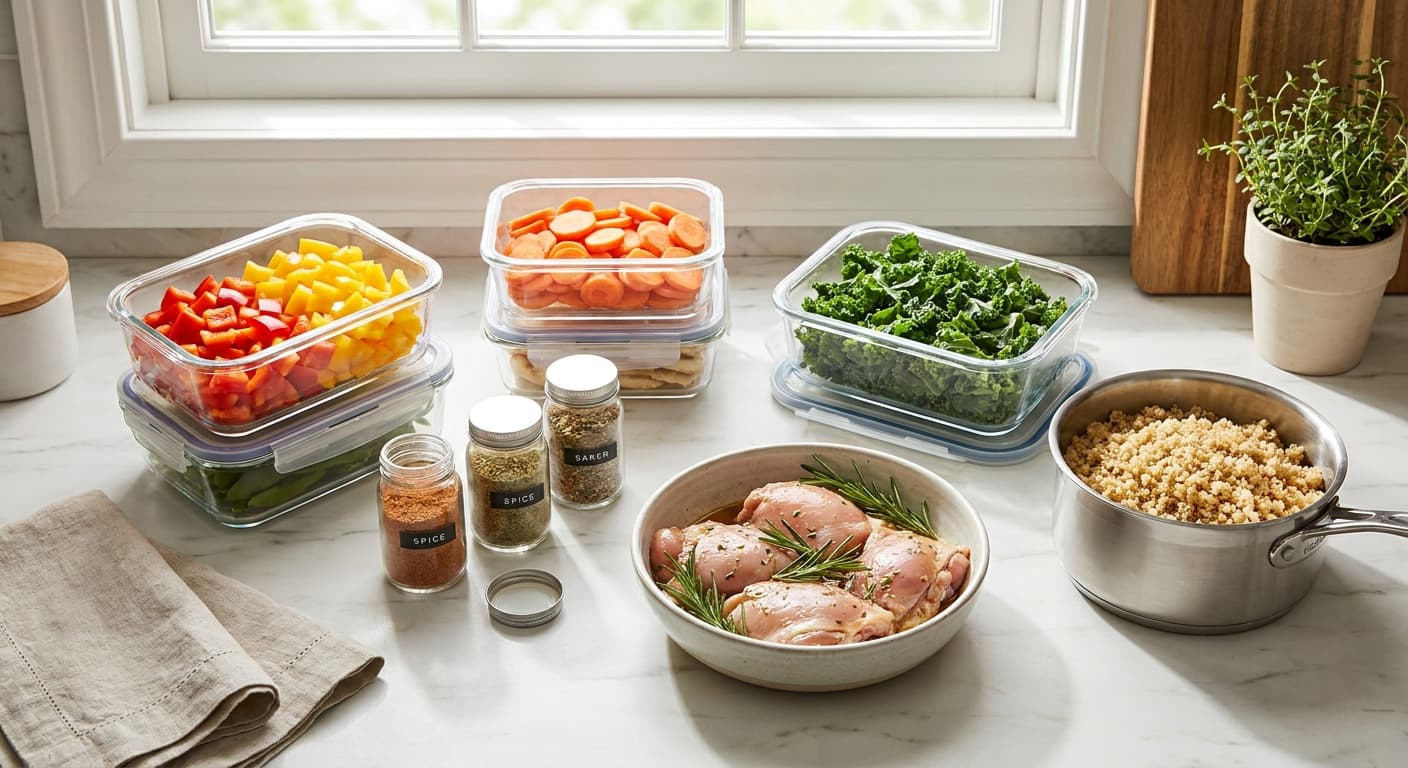
Sunday Ingredient Prep: Your Secret Weapon for Stress-Free Weeknight Dinners
Skip full batch cooking—just chop, marinate, and portion on Sunday to slash weeknight dinner stress and decision fatigue.
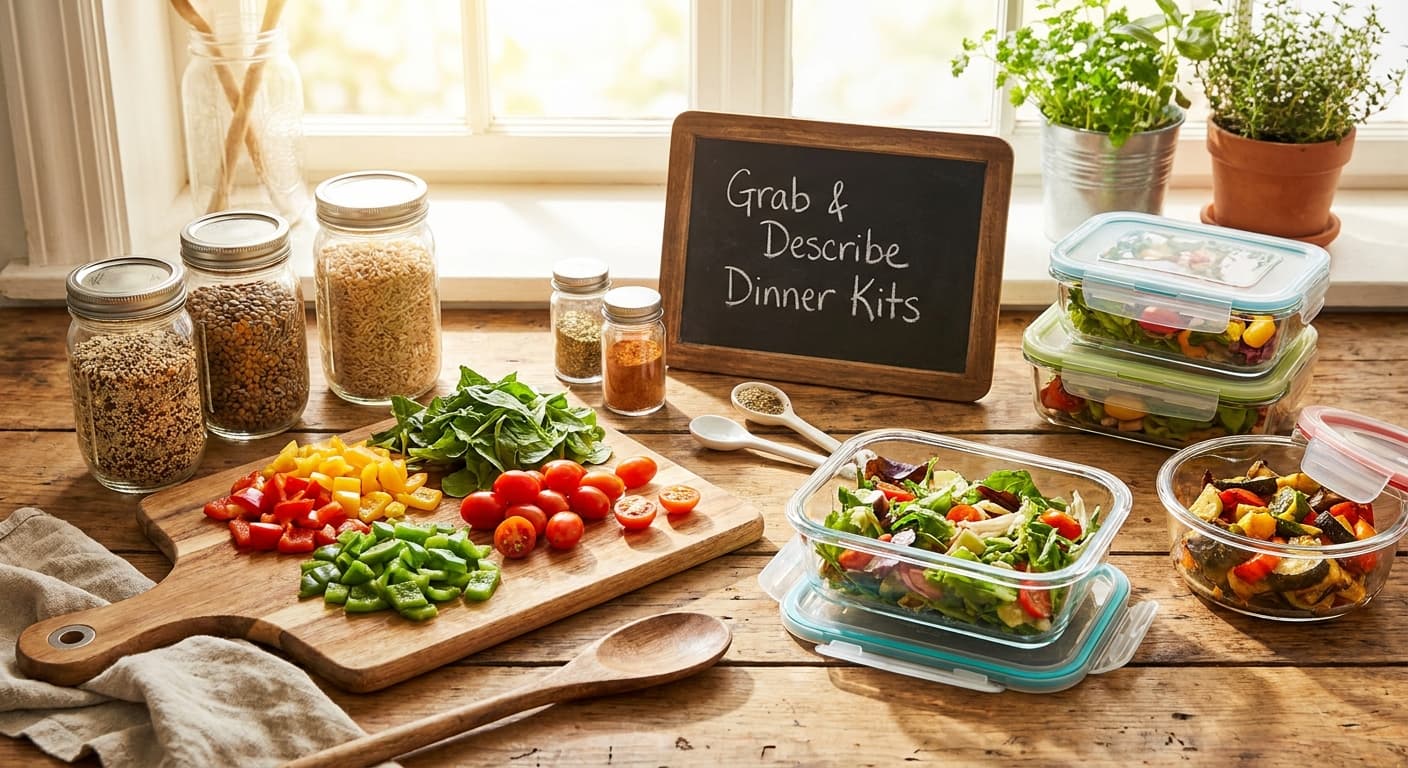
Stop Staring at the Fridge: A Grab-and-Describe Reset Ritual for Weeknight Dinners
A 15-minute weekly reset to map your fridge, freezer, and pantry into a grab-and-describe dinner protocol that ends weeknight decision fatigue.
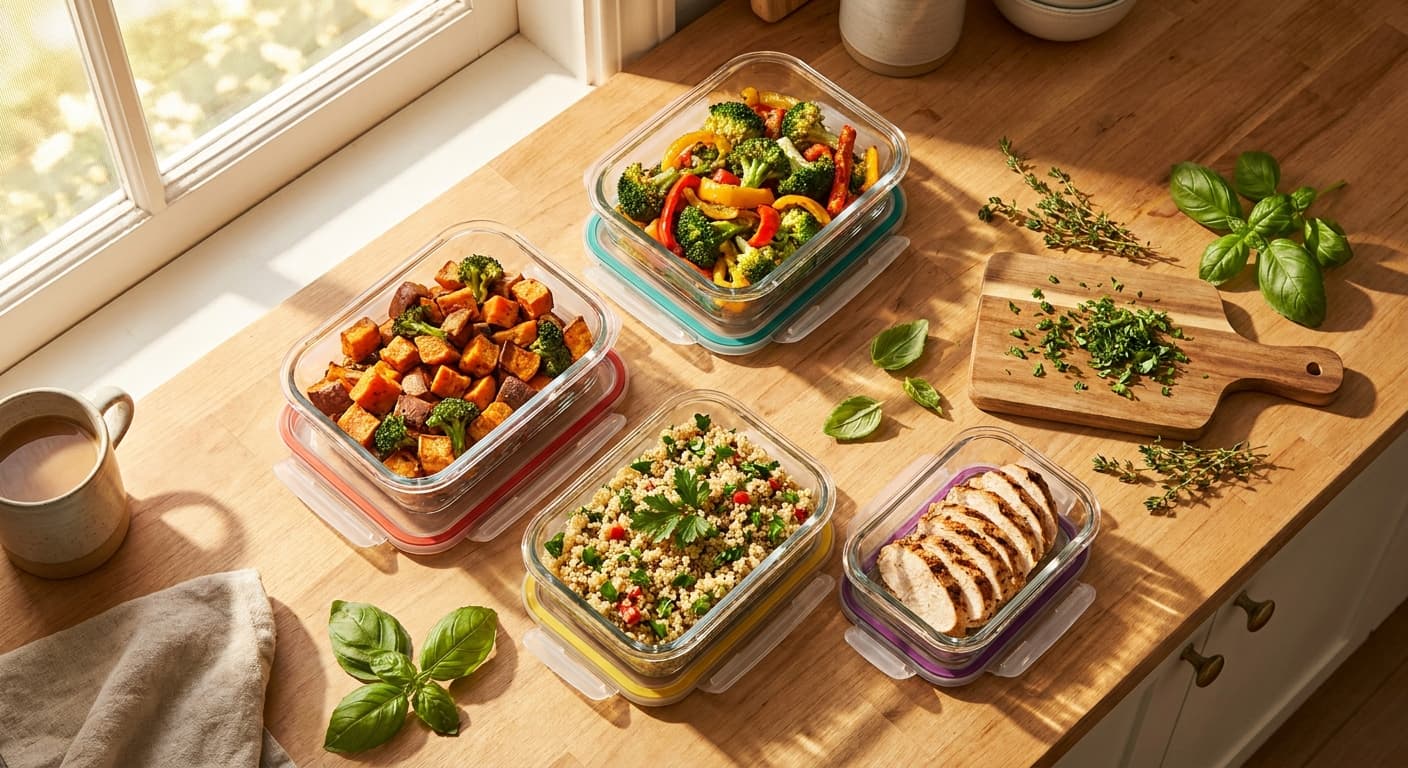
Meal Prep Tips for Busy Families: How to Feed Everyone Without Losing Your Mind
Practical meal prep strategies designed for families juggling picky eaters, packed schedules, and everyone's different dinner time.